

Understanding the psychology behind gambling What drives the risk-taker
The Allure of Risk
The thrill of taking risks is often cited as one of the primary drivers behind gambling behavior. For many, the uncertainty of outcomes creates a heightened sense of excitement that can be addictive, especially when considering platforms where you can play online poker real money. This excitement triggers the brain’s reward system, releasing dopamine and creating a feeling of pleasure. This rush can lead individuals to seek out gambling as a source of entertainment and adrenaline.
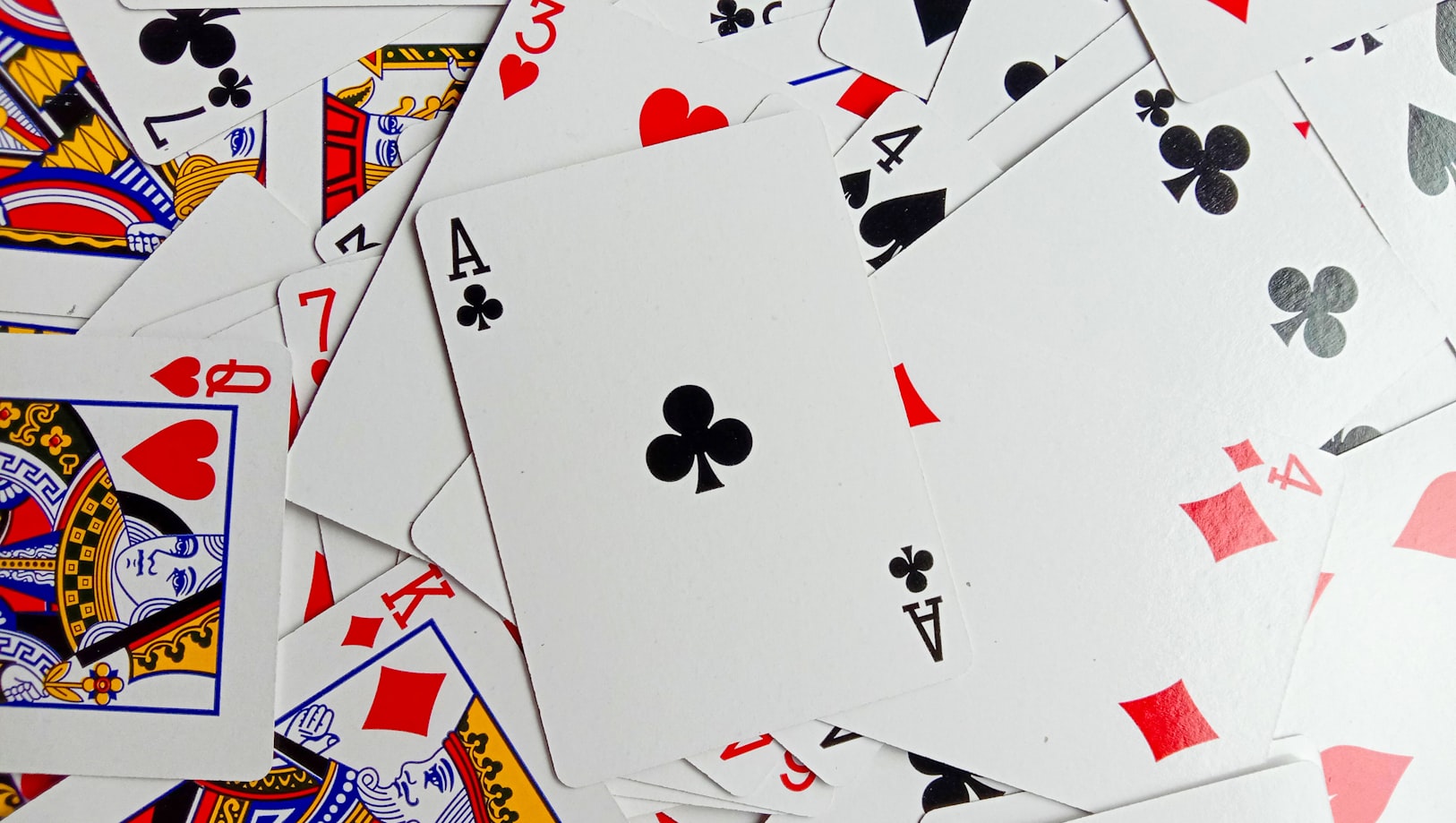
Additionally, risk-taking can stem from various psychological factors, such as a desire for control and the belief in one’s ability to influence outcomes. Gamblers may think they possess unique skills or strategies that set them apart, which can bolster their confidence and encourage continued participation in games of chance.
The Role of Cognitive Biases
Cognitive biases play a significant role in gambling behavior, often leading individuals to make illogical decisions. For instance, the gambler’s fallacy is the belief that past events affect future outcomes in random scenarios. A player might think that after several losses, a win is due, thus continuing to gamble despite the odds remaining unchanged. This cognitive distortion can perpetuate a cycle of gambling as individuals chase losses or seek to validate their beliefs.
Moreover, overconfidence can lead gamblers to underestimate risks. They may attribute their wins to skill rather than chance, reinforcing the belief that they can consistently beat the odds. This mentality can result in prolonged gambling sessions and increased financial losses, as individuals become trapped in a loop of misguided confidence.
Social Influence and Peer Pressure
Social dynamics significantly impact gambling behavior, with peer influence serving as a powerful motivator. The social aspect of gambling—whether in casinos, online platforms, or home games—can amplify the thrill and excitement. Individuals may be encouraged by friends or family to participate, leading them to make decisions they might not consider alone.
Furthermore, the presence of others can create an environment of competition and camaraderie, which can be enticing. The fear of missing out (FOMO) can drive individuals to gamble, not necessarily for the love of the game but to be part of a social circle. This can be particularly pronounced in environments where gambling is normalized or celebrated, leading to increased participation.
The Emotional Rollercoaster
The emotional highs and lows associated with gambling can profoundly influence behavior. Winning brings an exhilarating rush, while losses can lead to feelings of despair or frustration. These emotional fluctuations can create a cycle of gambling as individuals seek to recapture the joy of winning or escape the pain of losing.
Moreover, some gamblers use gambling as a coping mechanism to deal with stress or other life challenges. The temporary escape that gambling provides may offer solace from personal issues, further entrenching individuals in their gambling habits. Understanding this emotional interplay is crucial for recognizing the risks associated with gambling and the potential for addiction.

About This Website
This website aims to provide comprehensive insights into the psychology of gambling and the factors that drive risk-taking behavior. By exploring the underlying motivations, biases, and emotional aspects, we hope to foster a better understanding of gambling habits and promote responsible gambling practices.
Our commitment is to educate readers about the complexities of gambling psychology, offering resources and information to help individuals make informed choices. Whether you are a casual gambler or someone looking to understand more about this compelling subject, this platform is designed to enlighten and inform.
