

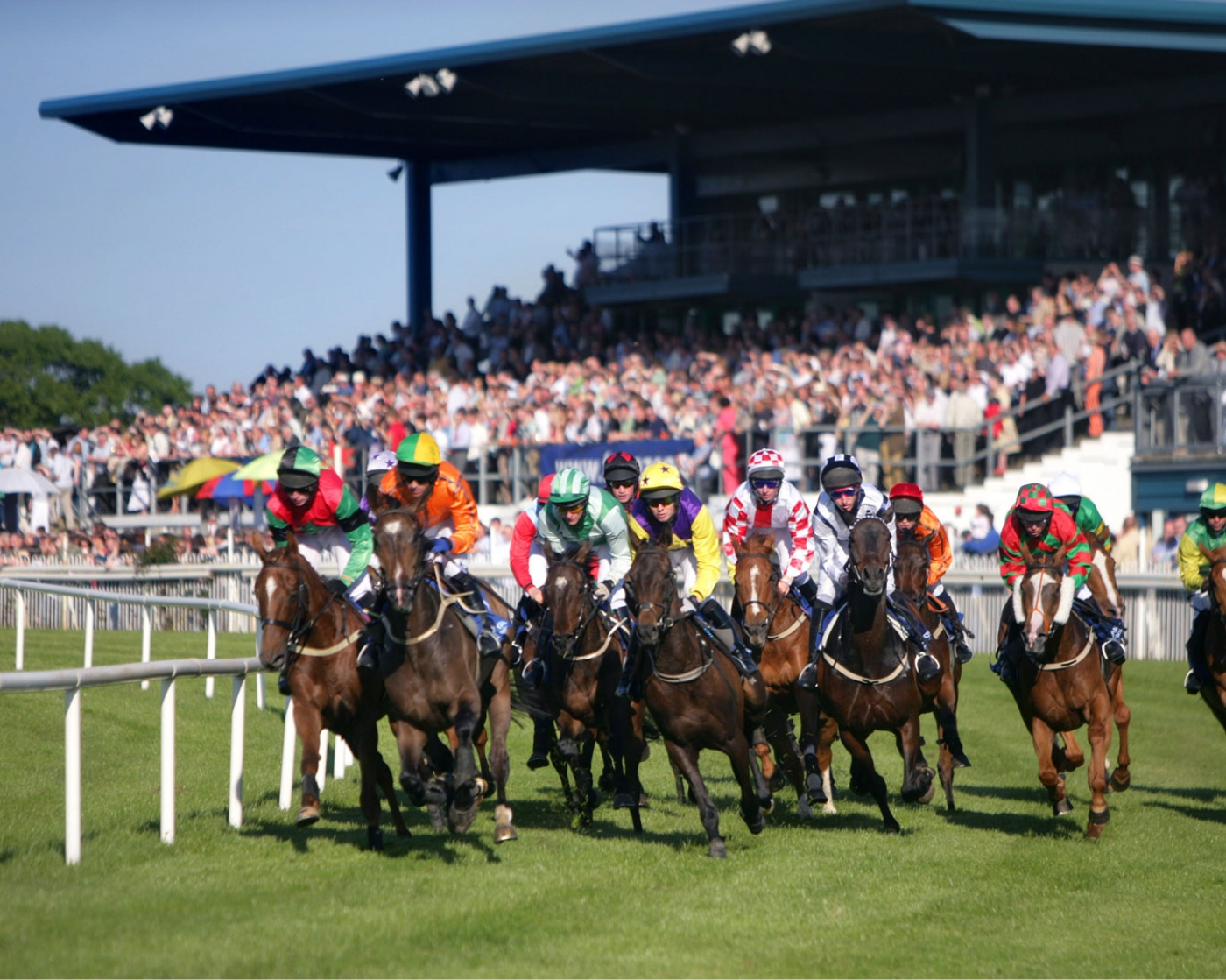
The UK horse racing scene is renowned for its rich history and exhilarating events that draw thousands of spectators each year. However, what happens when the races are not on? Understanding the dynamics of this off-season period is crucial for fans and participants alike. This article explores the various aspects of UK horse racing during off-times, including training regimens, fan engagement, horse care, and other related activities. For further insights on similar themes, visit UK Horse Racing Not on GamStop www.bee-collective.co.uk.
The Importance of the Off-Season in Horse Racing
Although major horse racing events like the Grand National or Royal Ascot capture the limelight, the off-season is just as significant for the sport. The intervals between races are vital for the equine athletes to recover, retrain, and prepare for the challenges ahead. Trainers and owners often face the challenge of maintaining their horses’ fitness levels without the rigor of competitive racing.
Training Innovations and Techniques
During the off-season, trainers focus on various aspects of training that might be overlooked during the fast-paced racing calendar. This includes:
- Fitness Management: Trainers adjust the horses’ fitness regimes based on individual needs. Some horses might benefit from intensive workout sessions, while others may require lighter, more focused training.
- Skill Development: The absence of races allows trainers to hone specific skills in their horses. This could involve focusing on jumping techniques or improving agility on different terrains.
- Health Checkups: Regular veterinary checks ensure that horses are in optimal health, allowing trainers to address any underlying issues before the next racing season begins.
Fan Engagement and Activities
For passionate racing fans, the off-season doesn’t mean the end of their engagement with the sport. Numerous activities help maintain interest and excitement during the quieter months:

- Social Media Interaction: Trainers, owners, and racing organizations utilize social media platforms to share training updates, behind-the-scenes content, and insights into horse welfare.
- Racecourse Visits: Many racecourses remain open for visits during the off-season, allowing fans to meet trainers and horses and learn more about what goes into preparing for races.
- Workshops and Events: Various initiatives such as workshops on horse care and management, or seminars featuring industry experts, serve to keep fans engaged and informed.
The Role of Technology in Off-Season Training
The integration of technology in training horses continues to evolve, even when races are not on. Innovations such as:
- Wearable Tech: Devices that monitor health metrics in real-time help trainers assess how their horses respond to training and recover more efficiently.
- Simulation Training: Virtual and augmented reality tools allow trainers to simulate race conditions without putting their horses through the physical strain of actual races.
- Data Analyses: An increase in data analytics helps trainers make informed decisions regarding training regimens, allowing for tailored approaches based on past performances.
Community Events and Networking Opportunities
The off-season is also a time for building community within the sport. Racing clubs and associations often host networking events where trainers, owners, and fans gather to share experiences and insights.

Additionally, non-profit organizations often utilize these periods to promote equine welfare and education by bringing the community together for fundraising events or charity races.
Market Trends and Betting Strategies
Betting, a significant aspect of horse racing, does not come to a standstill during the off-season. Enthusiasts turn their attention to analyzing trends and patterns from past races, helping them make informed decisions for the upcoming season. Some notable points include:
- Understanding Horse Progression: Bettors pay close attention to a horse’s performance during the off-season, tracking any changes in form, fitness, or injuries that could impact future results.
- Market Analysis: Keeping an eye on the betting markets can aid in spotting emerging horses or changing odds, providing early betting opportunities as the new season approaches.
- Networking with Insiders: Engaging with trainers and insiders during off-season events can uncover valuable insights that could influence betting decisions.
Conclusion
UK horse racing is much more than just the races we see on television screens; it’s a complex world that thrives even when the crowds aren’t present. The off-season is a crucial time for trainers, owners, and fans alike to reflect, engage, and innovate. While waiting for the next exciting race day, there is no shortage of activities and initiatives to enjoy. Whether it’s through horse training, community events, or exploring advanced technology, the spirit of horse racing in the UK never truly goes dormant.
