

Exploring the historical evolution of gambling From ancient rituals to modern practices
The Origins of Gambling
The history of gambling dates back to ancient civilizations, where it was often intertwined with religious rituals and social practices. In early societies, games of chance were seen as a way to communicate with the divine. Archaeological findings suggest that dice, made from materials like bone and wood, were used in ancient Mesopotamia as early as 3000 BC. These primitive forms of gambling were often associated with rites and ceremonies, reflecting the cultural significance of chance. Today, many people enjoy playing games, including those that involve online poker real money, illustrating how gambling has transformed over the years.
As societies progressed, gambling evolved from a mystical practice to a social activity. The ancient Chinese developed games involving tiles and betting, while the Romans created betting systems on gladiatorial contests. These early forms laid the groundwork for more structured gambling practices that would develop over the centuries, shaping the way people interacted with chance and fortune.
The Development of Gambling in the Middle Ages
During the Middle Ages, gambling became more organized and widely accepted across Europe. The introduction of playing cards in the 14th century revolutionized gaming, leading to the establishment of various card games that contributed to the gambling culture. Gambling houses began to emerge, providing spaces for people to engage in games of chance, which became increasingly popular among the nobility.
However, this rise in popularity was met with backlash from religious authorities. The Church often condemned gambling as a vice, leading to periods of prohibition. Despite these challenges, gambling continued to flourish, adapting to societal changes and finding ways to exist within restrictive frameworks. The establishment of regulations and laws gradually legitimized gambling, paving the way for the casinos we recognize today.
The Birth of Modern Casinos
The 18th century marked a significant turning point in the evolution of gambling with the establishment of the first modern casinos. Venice’s Casino di Venezia, founded in 1638, is often cited as the world’s first official casino. These establishments began to offer a variety of games, attracting a more diverse clientele and solidifying gambling’s place in society.
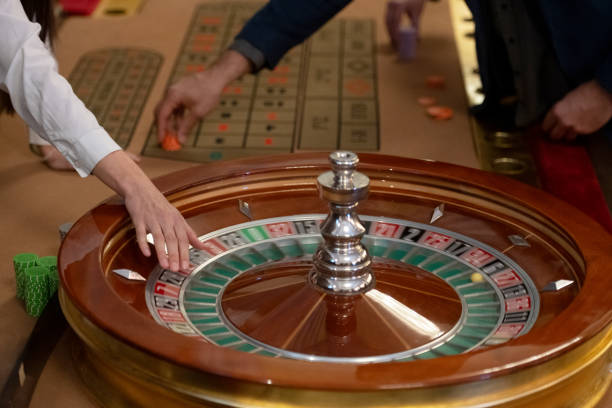
The 19th century saw the emergence of Las Vegas as a gambling mecca, driven by the legalization of gambling in Nevada. This period witnessed the introduction of slot machines and roulette wheels, making gambling more accessible to the masses. The casino experience transformed into a luxurious entertainment venue, attracting visitors from around the globe and evolving into a multi-billion dollar industry.
The Impact of Technology on Gambling
The 20th and 21st centuries have brought unprecedented changes to gambling, largely due to technological advancements. The invention of the internet revolutionized the way people engage in gambling, leading to the emergence of online casinos. This digital shift provided a platform for players to access a wide range of games from the comfort of their homes, breaking geographical barriers.
Moreover, mobile technology has further transformed the gambling landscape. Today, individuals can place bets and play games through their smartphones, making gambling more convenient than ever. The rise of virtual reality and live dealer games also enhances the online experience, creating a more immersive environment that mirrors the thrill of physical casinos.

Conclusion and Website Information
Understanding the historical evolution of gambling highlights its enduring appeal and adaptability. From ancient rituals to modern practices, gambling has continuously evolved, reflecting cultural shifts and technological advancements. The journey from primitive dice games to today’s sophisticated online platforms illustrates how deeply embedded gambling is in human society.
This website serves as a comprehensive resource for anyone interested in exploring the rich history and various aspects of gambling. Whether you are curious about the origins, current trends, or future prospects of gambling, the content provided here aims to inform and engage readers in the fascinating world of chance and fortune.
